Tandiwe Vaughn, Ed.S.

Designing the human side of technology transformation.
I connect learning strategy, AI enablement, and organizational change to strengthen workforce capability, advance technology adoption, and prepare people for evolving ways of working.With more than 15 years of experience in enterprise learning and development, I translate complex business challenges into human-centered learning strategies, scalable performance solutions, and AI-enabled experiences that build organizational capability.Grounded in learning science, psychology, and change management, my approach recognizes that successful transformation requires more than implementing technology. It requires preparing people with the knowledge, confidence, and capabilities to use it effectively.People. Possibilities. Progress.
Areas of Expertise
Learning Strategy & Organizational Capability
Aligning learning strategies with business priorities to strengthen workforce capability and performance.AI Enablement & Human Performance
Advancing AI literacy through prompt engineering, agent development, and AI-augmented workflows.Change Management & Workforce Transformation
Integrating workforce readiness and performance support to facilitate technology adoption.Learning Technology & Ecosystem Modernization
Advancing platform implementation, content migration, learning architecture, and AI-enabled authoring.Learning Experience Design & Human-Centered Research
Architecting scalable learning experiences and applying research methods to understand user needs, behaviors, and performance challenges.
FEATURED CASE STUDIES
Learning Strategy, AI Enablement, Change Management, & UX Research: From identifying challenges to enabling meaningful change
FEATURED CORPORATE TRAINING
Designing learning experiences that build capability and drive performance.

Featured Case Studies
Connecting people, technology, and change.
These case studies highlight my approach to connecting learning, technology, and organizational needs through thoughtful design, collaboration, and practical implementation. Each project explores the challenge, my contribution, the approach, and the lessons learned.
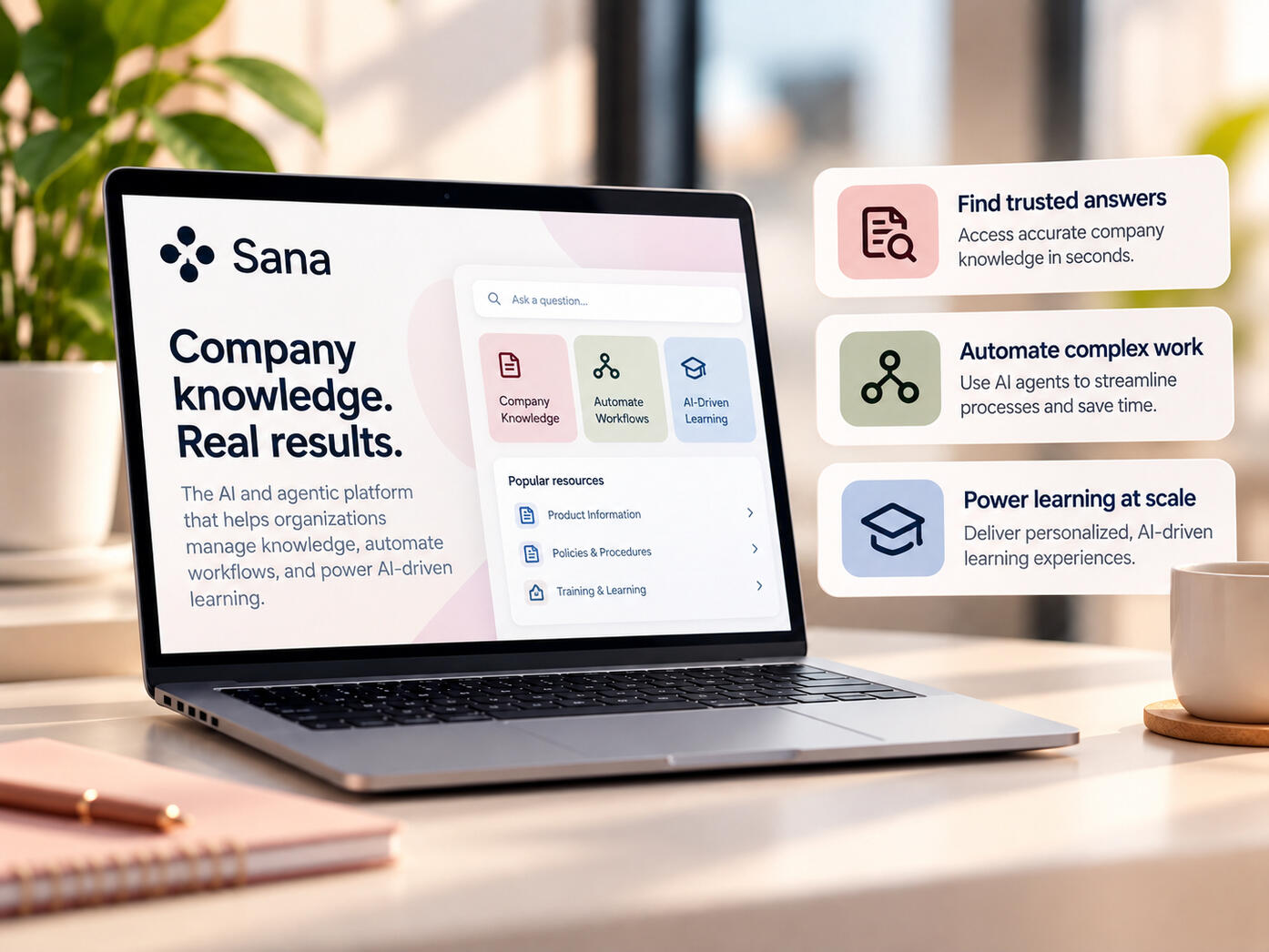
LMS Migration to Sana: A New LMS & AI-Powered Authoring Platform
Learning Technology, Change Management, and AI Enablement
Project Overview
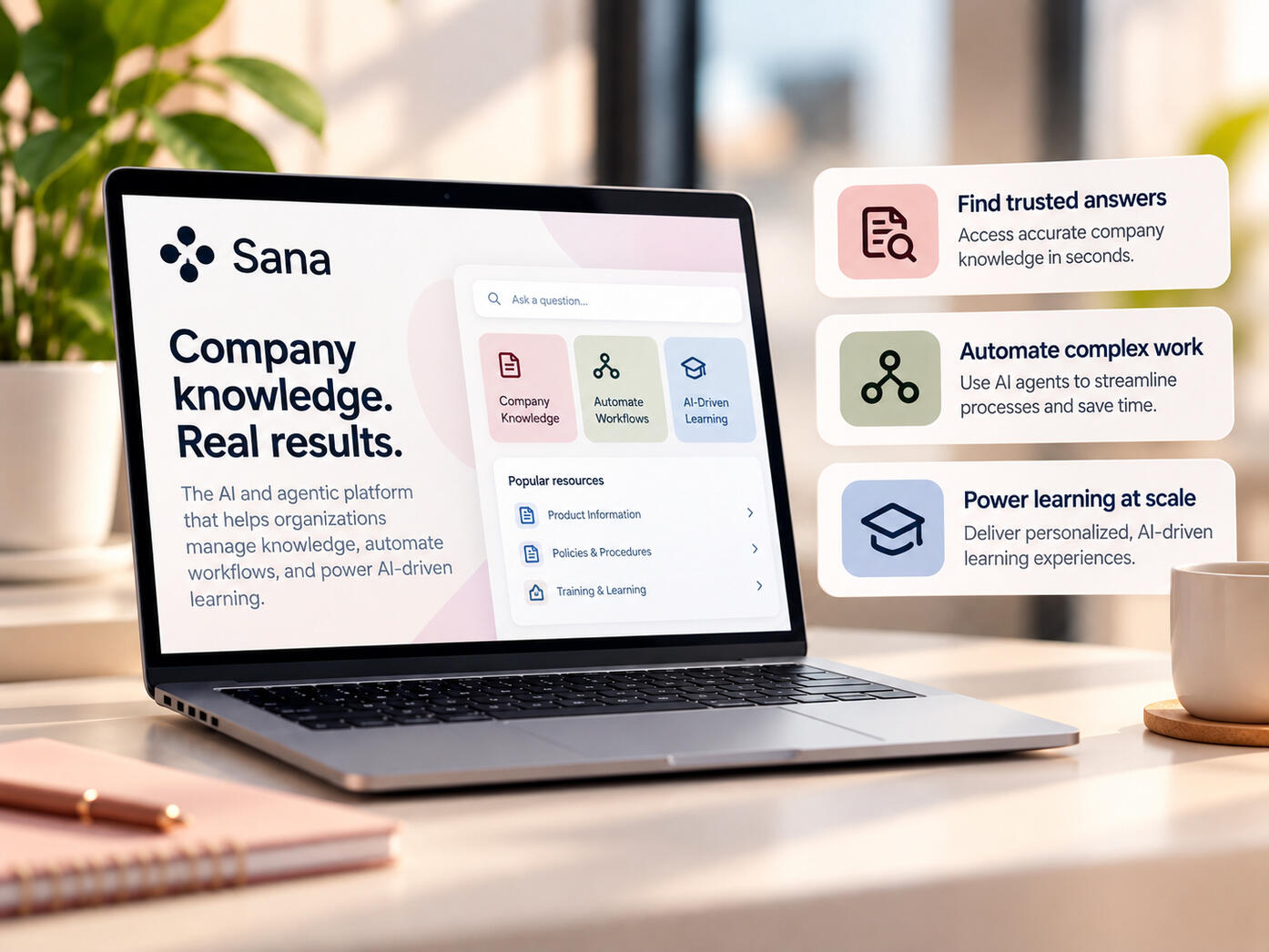
Platform transitions succeed or fail on adoption, not configuration. This initiative introduced Sana as the organization's learning management system and AI-powered authoring environment, requiring careful attention to content continuity, workflow redesign, and the experience of both learning developers and end learners.The Challenge
The organization needed to migrate an established content library and development process into a new ecosystem without disrupting learner access or production velocity, while validating whether the platform's authoring and AI capabilities could meaningfully streamline the learning development lifecycle.My Role
I evaluated Sana's integrated learning and authoring capabilities through the lens of instructional effectiveness, developer experience, and learner accessibility.Through content migration and learning path configuration, I explored how existing learning assets could transition into the new environment while identifying opportunities to improve content organization and development workflows.I also developed best practices for integrating AI Tutor functionality into eLearning content, establishing a practical approach to incorporating AI-powered assistance within the learner experience.My Approach
I evaluated the platform across the full design-to-delivery continuum, including native authoring, interactivity and assessment design, virtual session management, and AI tutor functionality. I assessed each capability through two lenses: developer efficiency and learner experience.Through iterative content migration and learning path configuration, I identified where legacy content translated cleanly, where it needed redesign, and where native features could replace manual workflows. These findings shaped how content was organized in the new environment and informed the best practices I developed for integrating AI Tutor functionality into eLearning.Outcomes
The initiative enabled me to contribute directly to the platform transition by migrating more than 100 SCORM assets into Sana and restructuring them into cohesive programs and learning paths. I established best practices for integrating AI Tutor functionality into eLearning, giving the team a repeatable approach to embedding AI-powered support in the learner experience.The platform evaluation also clarified which legacy content could transition as-is, which needed redesign, and where native features could replace manual workflows. Those findings informed ongoing content development in the new environment.Key Insight
Technology adoption is a change management discipline. Sustainable implementation depends on understanding user workflows, redesigning processes intentionally, and building learner and developer confidence alongside the platform itself.
From Content Mapping to Copilot: Reimagining Learning Workflows with AI
AI Innovation, Workflow Optimization, and Team Enablement
Project Overview
Curriculum development depends on synthesizing large volumes of source material across disparate systems, a labor-intensive process that slows speed-to-competency for the learners it ultimately serves. This initiative explored how purpose-built Microsoft Copilot agents could automate content analysis and mapping within the instructional design workflow.The Challenge
AI delivers value only when it is anchored to a well-defined problem and built into existing workflows. The goal was to find a high-impact use case where agents could reduce manual effort without compromising accuracy, design judgment, or trust in the output.My Role
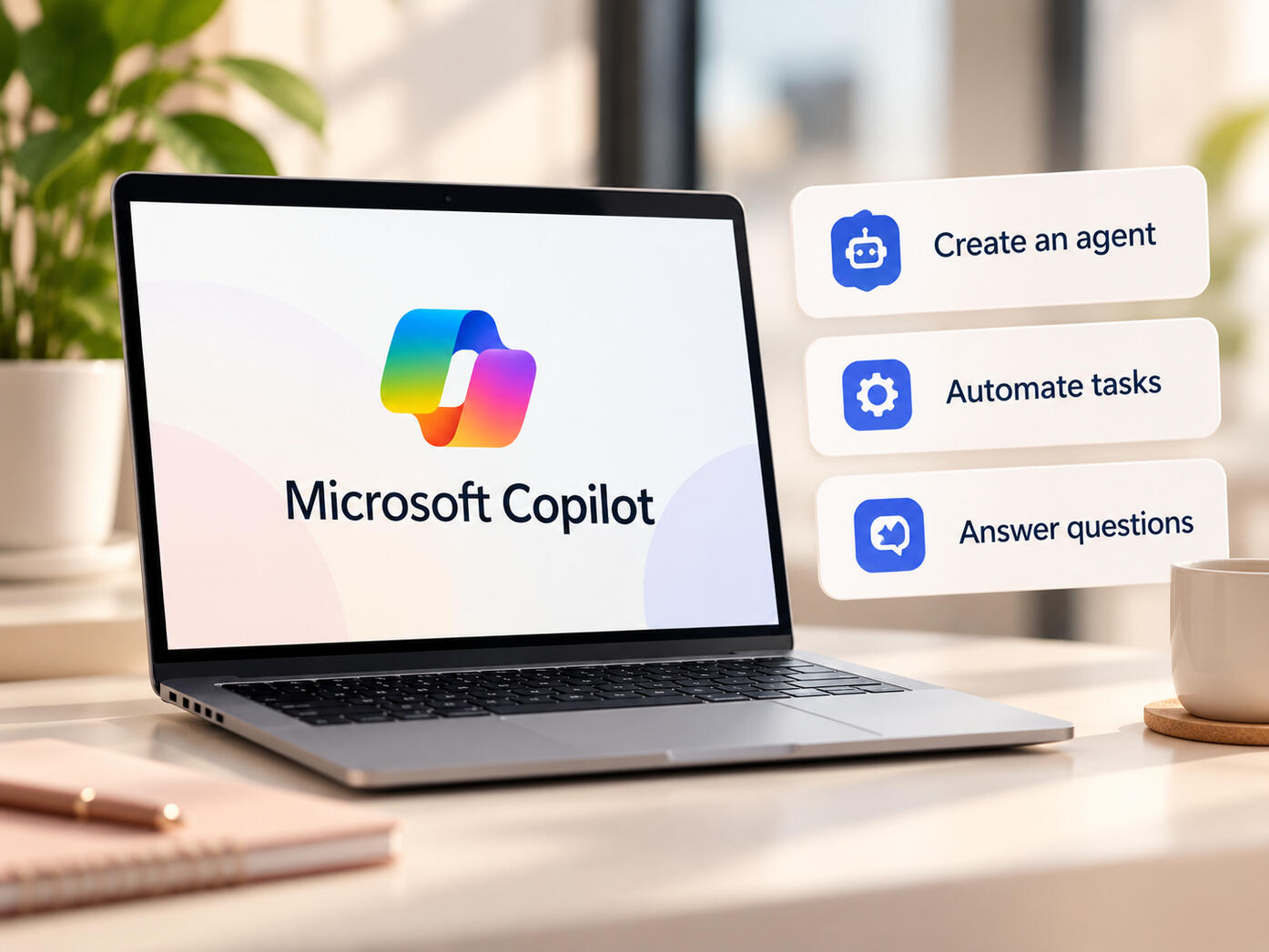
I facilitated a workshop on effective prompting and creating Microsoft Copilot Agents. I developed custom agent instructions, shared agents, explored AI-driven content mapping, and identified opportunities to integrate AI into existing instructional design workflows.My Approach
I collaborated with a team of four Learning Experience Designers to host an AI workshop focused on effective prompting and creating Microsoft Copilot Agents. I explored how customized agents could organize and map learning content into a reusable content database, making information easier to access and apply during course development.Outcomes
Our team earned second place in an internal AI hackathon for demonstrating how agent-driven content mapping could speed up onboarding course development and reduce manual analysis. The project also produced a reusable content database and custom agent instructions that the team could apply to future course development.Key Insight
Effective AI implementation begins with problem definition, not tool selection. The most valuable solutions are useful, trustworthy, and designed around how people actually work.
Closing the AI Capability Gap
AI Literacy, Performance Enablement, and Capability Development.
Project Overview
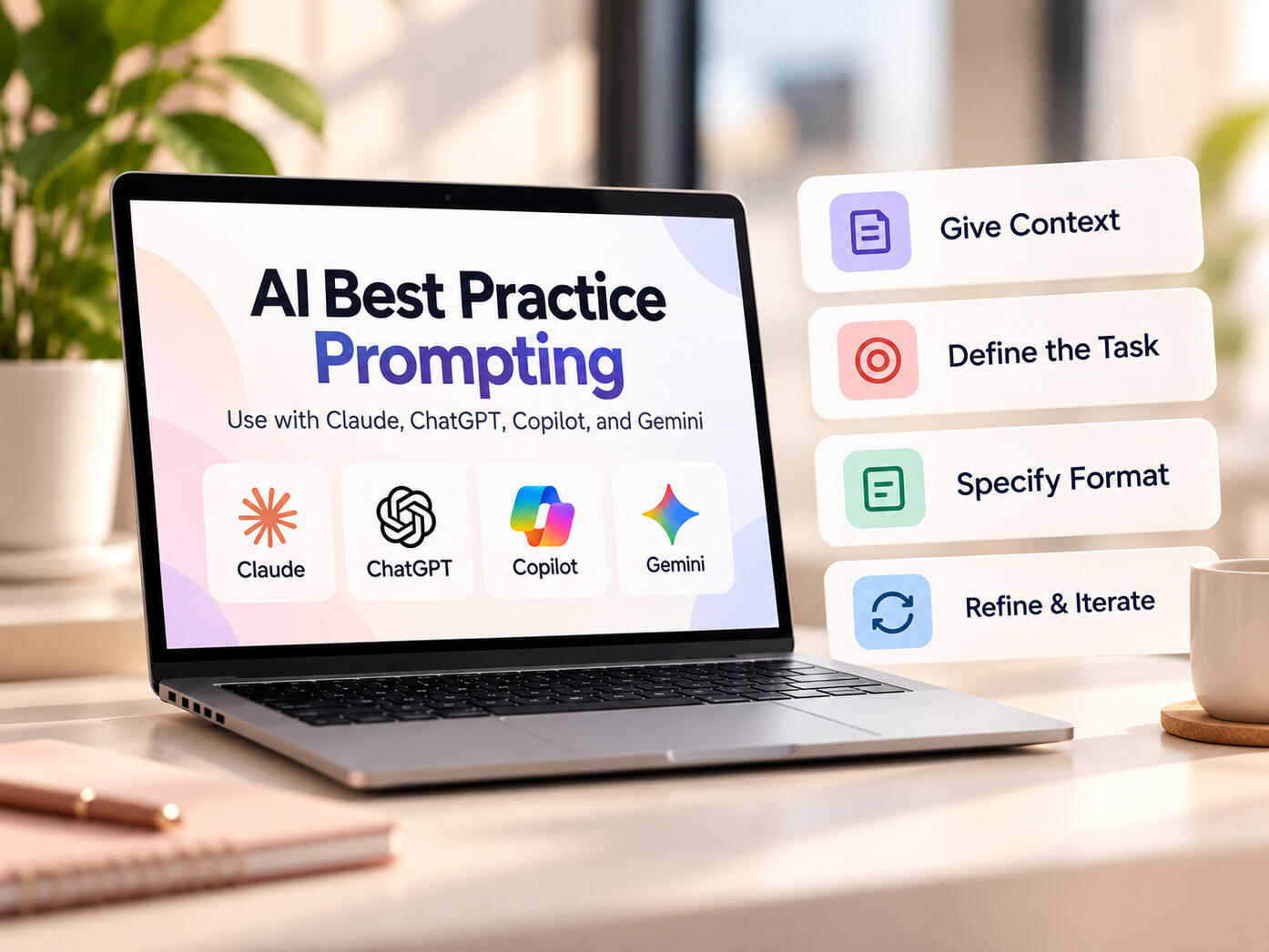
Providing employees with generative AI tools does not automatically establish the competencies required to use them effectively.This initiative addressed an emerging capability gap by introducing practical prompting methodologies designed to improve the relevance, consistency, and usefulness of AI-generated outputs.The Challenge
Although AI tools were available to my team, the quality of generated responses varied.
Some colleagues approached AI as the source of the answer without fully recognizing how prompt structure, contextual information, and clearly defined expectations influenced the output.I identified an opportunity to strengthen AI literacy through a targeted learning intervention that translated foundational prompting concepts into practical workplace application.My Role
I identified the capability gap and designed, developed, and facilitated an AI enablement experience for approximately 20 colleagues.My Approach
I developed a blended microlearning experience combining concise instructional content with facilitated application.
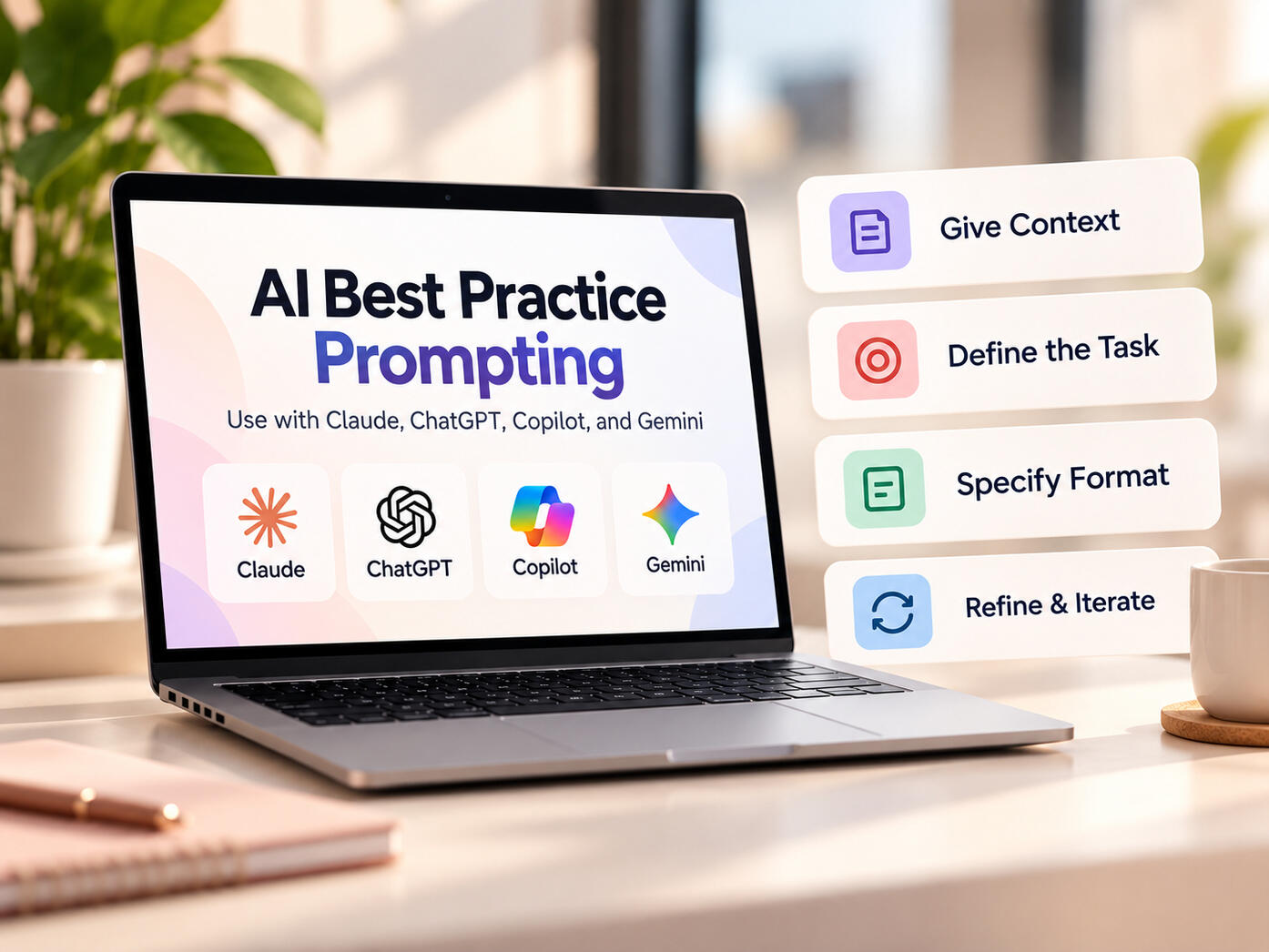
An introductory explainer video established foundational prompting concepts, while a live workshop provided opportunities to examine authentic workplace scenarios and compare vague and structured prompts.A follow-up video served as a performance support resource, reinforcing techniques for establishing context, defining tasks, specifying output requirements, and refining AI-generated responses.
The experience was intentionally designed to minimize time away from work while maximizing opportunities for immediate application.Outcomes
Approximately 20 colleagues participated in the enablement experience and were introduced to structured prompting techniques applicable across everyday workflows.
The initiative established a practical foundation for continued AI skill development and reinforced the relationship between prompt quality, human judgment, and effective AI utilization.Key Insight
AI adoption is constrained less by access than by capability and confidence. Short, practice-based interventions can close that gap quickly and at scale.
Designing for Intentional Growth: Understanding How People Engage with Digital Affirmations
UX Research, Human-Centered Design, Learning Design, and Product Discovery (In Progress)
Project Overview
This independent UX research project explores how individuals engage with affirmations to inform the development of a meaningful, human-centered digital experience.The Challenge
The challenge is to identify user needs, motivations, behaviors, and friction points that shape engagement, and to translate those findings into evidence-based product and experience decisions.My Role
As Product Owner and UX Researcher, I am leading the end-to-end research process, from defining research objectives and study design through data collection, synthesis, and insight generation.My Approach
I am using a mixed-methods research design, qualitative and quantitative, to surface behavioral patterns and user needs, which will inform product requirements and experience design.Research Status
This project is currently in progress. The case study will be updated following data collection and analysis to include research outcomes, design recommendations, and key insights.
Featured Corporate Training
Performance-based learning that builds capability and transfers to the job.
These samples highlight interactive learning experiences designed to translate complex information into practical knowledge and skills. Grounded in learning science and performance-based instructional design, these projects demonstrate my ability to structure content, scaffold skill development, and create engaging digital learning environments.
Cybersecurity Information Guide
Digital Learning and Information Security

Project Overview
An interactive information guide designed to introduce foundational cybersecurity concepts and reinforce the importance of protecting networks, devices, and data from unauthorized access.The Purpose
To help learners understand the importance of information security, including confidentiality, integrity, and availability, while exploring practical ways to protect personal and organizational information.My Approach
I developed an interactive learning experience that presents essential cybersecurity information in an accessible, engaging format, allowing learners to explore the content at their own pace.Development Tool
Articulate StorylineDevelopment Time
23 hours
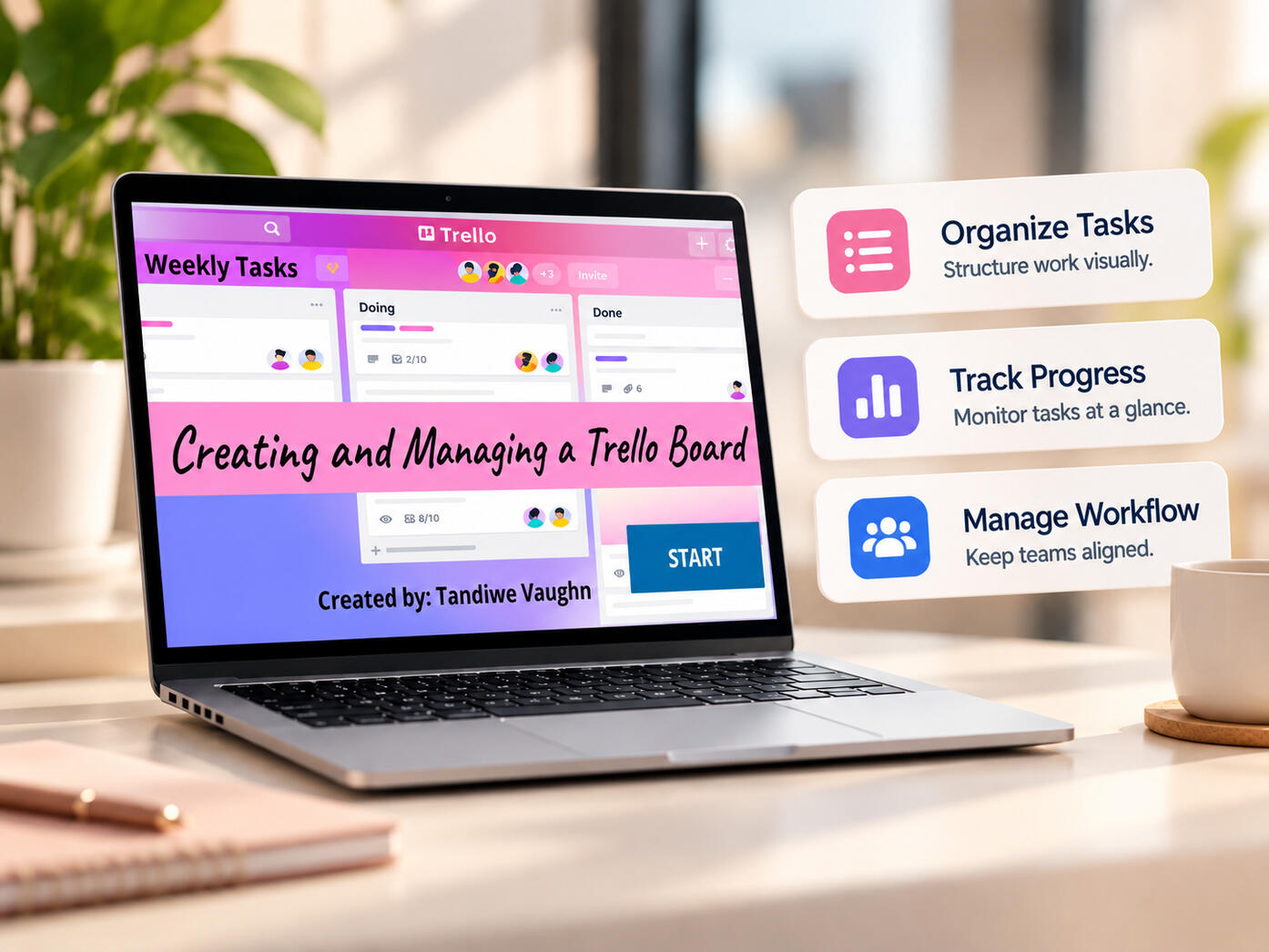
Creating and Managing a Trello Board
Learning Design, Software Simulation, and Experiential Learning
Project Overview
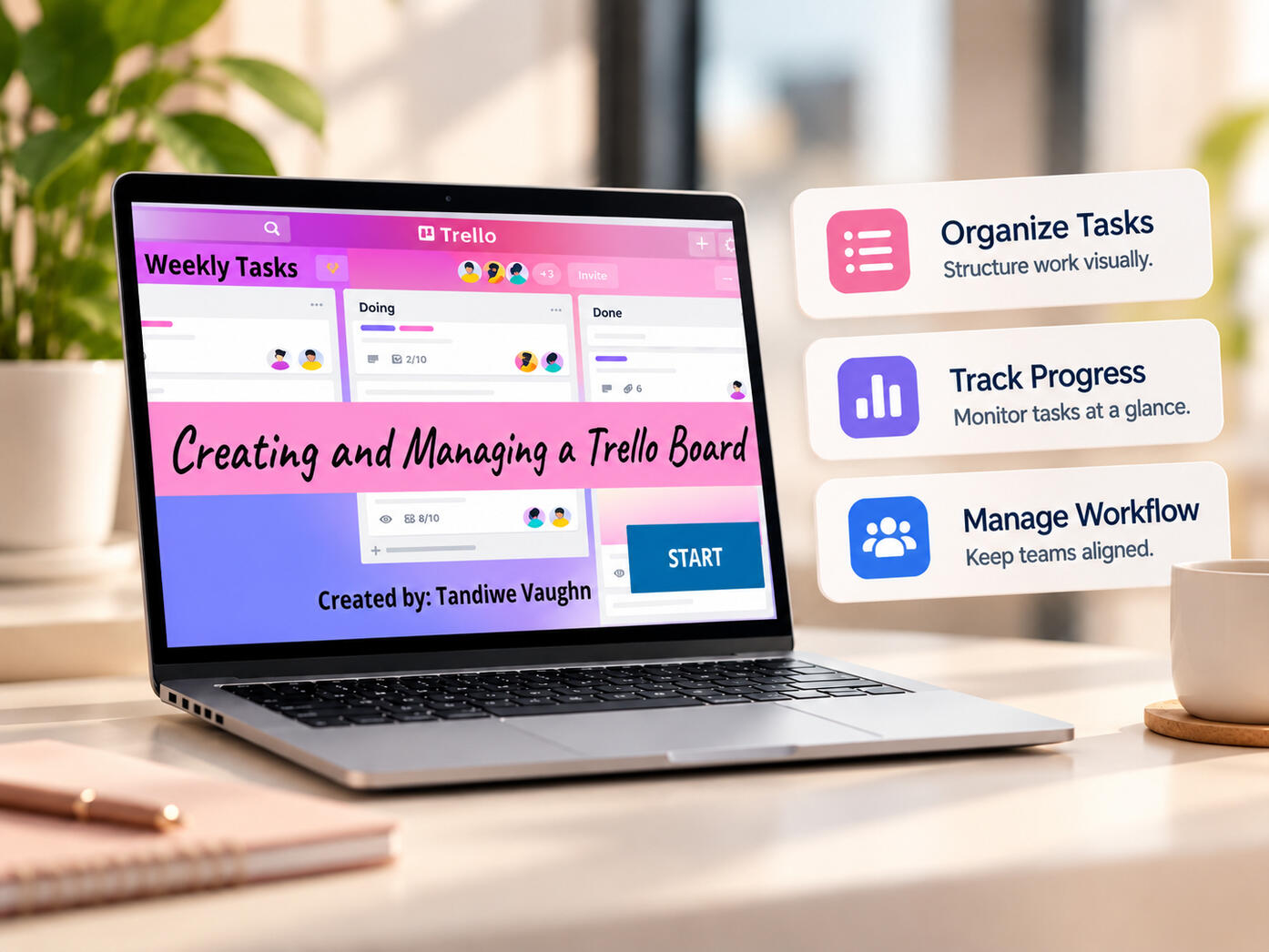
An interactive software simulation demonstrating how to create and manage a Trello board through a structured, hands-on learning experience.The Purpose
To demonstrate the possibilities of software training through three instructional modes: View, Try, and Test.My Approach
I implemented a scaffolded learning experience built around three progressive stages that allow learners to observe a process, practice the steps, and test their ability to complete tasks within a simulated software environment.Development Tool
Articulate StorylineDevelopment Time
20 hours
Additional samples are available upon request.
Contact Me
Let's Design What's Next.
I welcome opportunities to connect with organizations and like-minded professionals advancing learning strategy, AI enablement, and human-centered transformation.Whether you’re exploring collaboration, emerging technologies, or simply exchanging ideas, I’d love to connect. Complete the form below or email [email protected]